
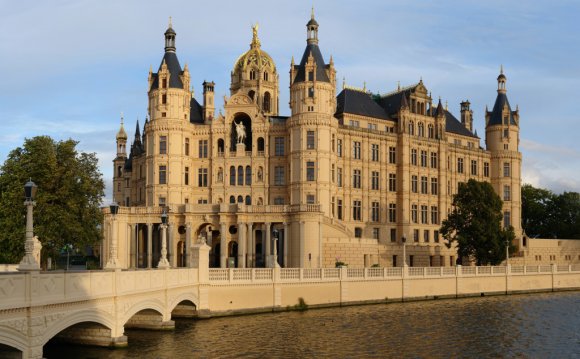
The European Union Prize for Contemporary Architecture is a biennial award to recognise and reward excellent examples of architectural works, and is complemented by the Emerging Architect Special Mention, awarded to a single architectural work.
The €60, 000 Prize and €20, 000 Special Mention are awarded to single works demonstrating excellence in conceptual, technical, and constructive terms. Both works additionally receive a sculpture evoking the Mies van der Rohe Pavilion in Barcelona.
What is it for?
The Prize aims to raise awareness of excellence in the field of architecture, drawing attention to the contributions of European professionals in the development of new architectural concepts, techniques, and technologies.
It is managed jointly by the European Commission in cooperation with the Mies van der Rohe Foundation, which is based in Barcelona and supported by a network of 15 architecture institutions, as well as a committee of experts from 31 countries.
RELATED VIDEO



RELATED FACTS
-
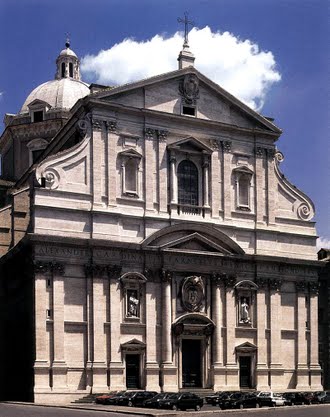 Baroque architecture is a term used to describe the building style of the Baroque era, begun in late sixteenth century Italy, that took the Roman vocabulary of Renaissance architecture and used it in a new rhetorical and theatrical fashion, often to express the...
-
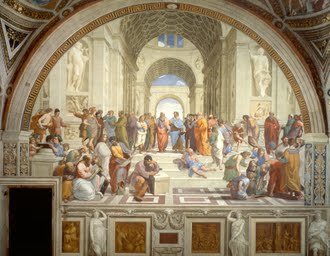 The Renaissance (UK /rɨˈneɪsəns/, US /ˈrɛnɨsɑːns/, French pronunciation: [ʁənɛsɑ̃ːs], French: Renaissance, Original Italian: Rinascimento, from rinascere "to be reborn") was a cultural movement that spanned the period roughly from the 14th to the 17th century...
Share this Post
latest post
-
 Helpful October 4, 2022
 -
 FAQ October 4, 2022
 -
 Reference Guide October 4, 2022
 -
 Guidebook October 4, 2022
 -
 Reference Book September 1, 2022
 -
 Manual September 1, 2022
 -
 Handbook September 1, 2022
 -
 Resources August 24, 2022
 -
 Software architecture and Design Patterns June 14, 2022